Research Experience
My research focuses on using chemistry, molecular biology, chemical biology and metabolic labeling to engineer immune cells, study cell-cell interactions, and deliver therapeutic molecules. I’m particularly interested in modulating red blood cells and dendritic cells (DCs) for various applications in immunotherapy and disease monitoring and treatment. Below, you’ll find an overview of current and past projects, organized by research theme.
Metabolic glycan engineering and cell labeling
During my PhD, I explored innovative chemical biology tools to tag, probe, and modulate cell membranes, with a focus on immune cells and RBCs. I developed metabolic glycan and lipid labeling technologies that enable long-term in vivo cell tracking, targeted drug and gene delivery, and immune modulation. Key projects include the first successful metabolic labeling of RBCs, the use of unnatural lipids for mRNA delivery and membrane tagging, and a nanogel-based system for sustained sugar release. I also uncovered the presence and immunological role of cell surface RNA on dendritic cells and used proximity labeling to map glycan-mediated interactions between dendritic cells and T cells. In parallel, I expanded into computational approaches, applying protein and antibody design, molecular docking, and molecular dynamics simulations to study immune receptor and surface RNA interactions. Collectively, these projects aim to decode cell–cell communication and create new platforms for biomedical applications. Below is a brief overview of each project, highlighting their goals, innovations, and biomedical significance.
In vivo metabolic tagging and targetting of red blood
cells
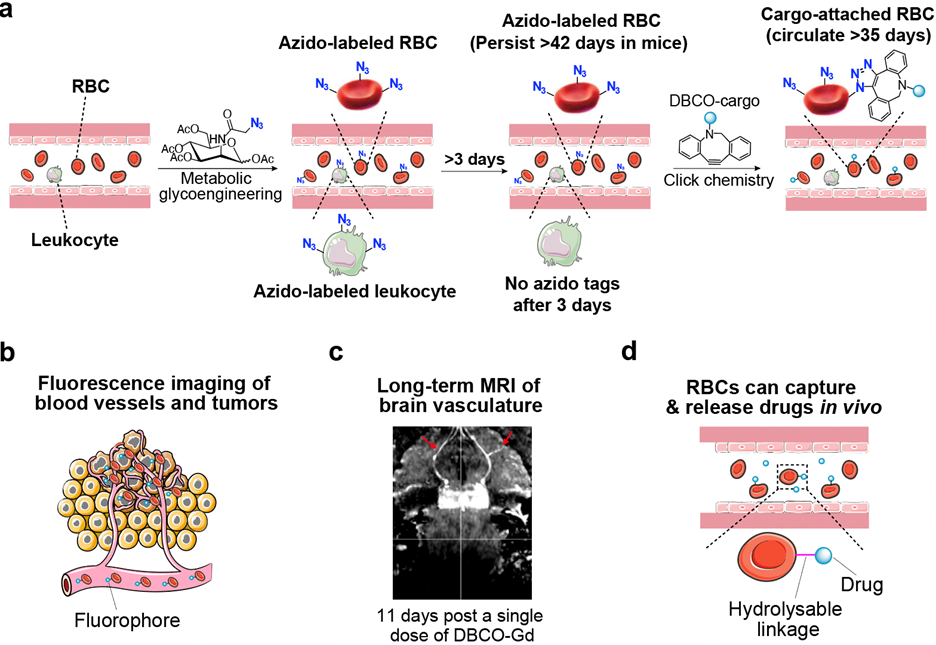
Although RBCs are widely used in drug delivery, imaging, and vaccination, effective strategies for direct in vivo engineering have remained elusive. In this project, I developed the first successful approach to metabolically label RBCs in vivo by using systemically administered azido-sugars. These sugars incorporate into RBC surface glycoproteins and glycolipids, labeling both mature RBCs in circulation and precursors in the bone marrow. The surface azido tags persist for over 42 days without inducing detectable toxicity. Using bioorthogonal click chemistry, I showed that these azido-labeled RBCs can stably bind dibenzocyclooctyne (DBCO)-modified cargos in vivo, extending their circulation time from hours to over 35 days. This technology enabled enhanced blood vessel and tumor imaging, single-dose brain blood vessel MRI imaging, and prolonged pharmacokinetics of therapeutics such as insulin.
RNA antibody abrogates the priming of
antigen-specific T cells and reverses type-1 diabetes
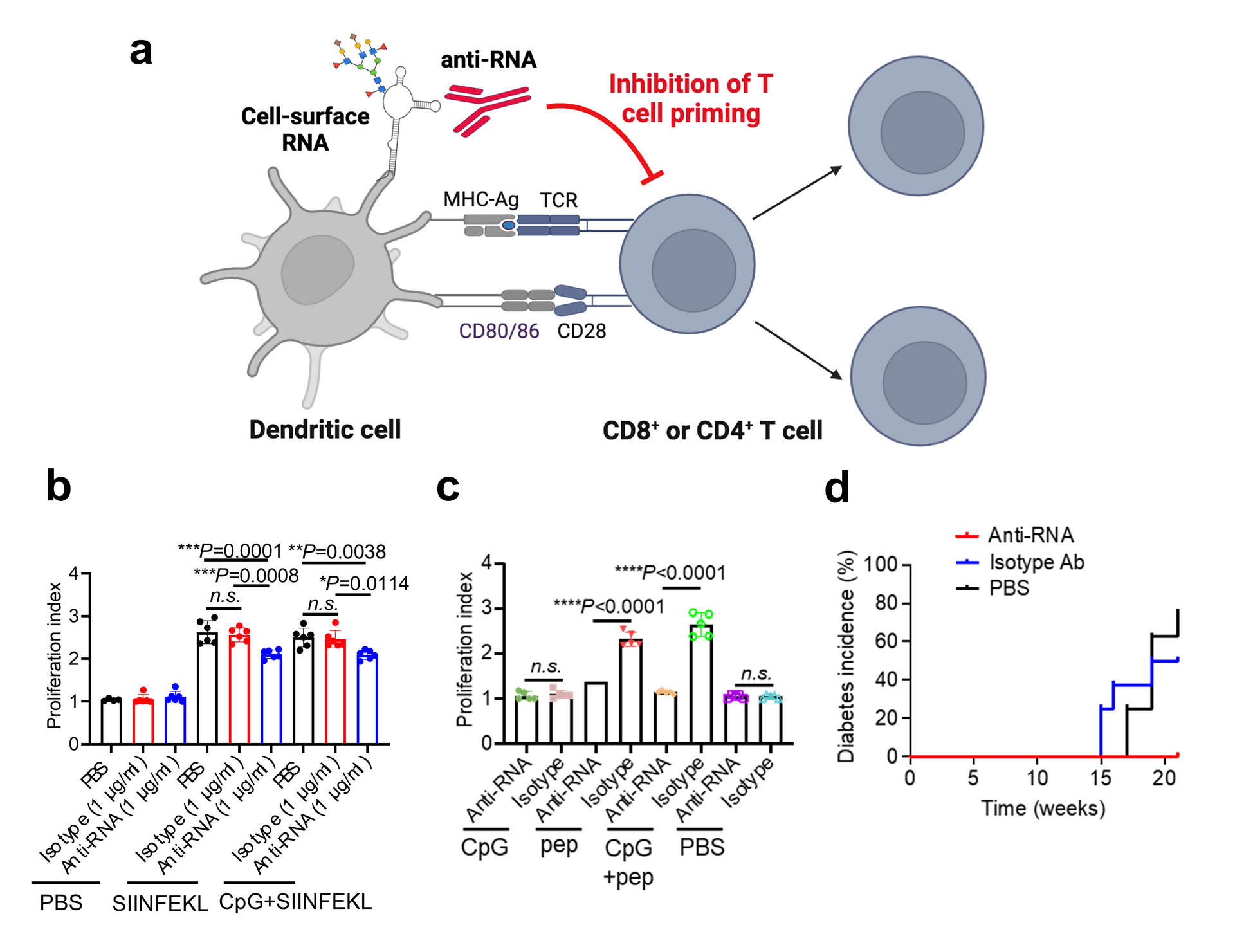
Recent discoveries have identified glycosylated RNAs (glycoRNAs) on the cell surface, yet their functional roles remain largely unexplored. In this project, I validated the presence of O-glycosylated RNAs on dendritic cells (DCs) and observed differential expression across activation states and subtypes. Using antibody-based blockade, I demonstrated that surface RNAs on DCs are essential for priming both CD8⁺ (OT-I) and CD4⁺ (OT-II and BDC2.5) antigen-specific T cells. Remarkably, anti-RNA treatment suppressed autoimmune responses in non-obese diabetic (NOD) mice—reducing islet-reactive T cells, restoring insulin levels, and completely preventing diabetes onset. This work uncovers a critical role for surface RNAs in cellular immunity and presents anti-RNA as a promising immunosuppressive strategy for autoimmune disease therapy.
Proximity labeling of DC–T Cell interfaces
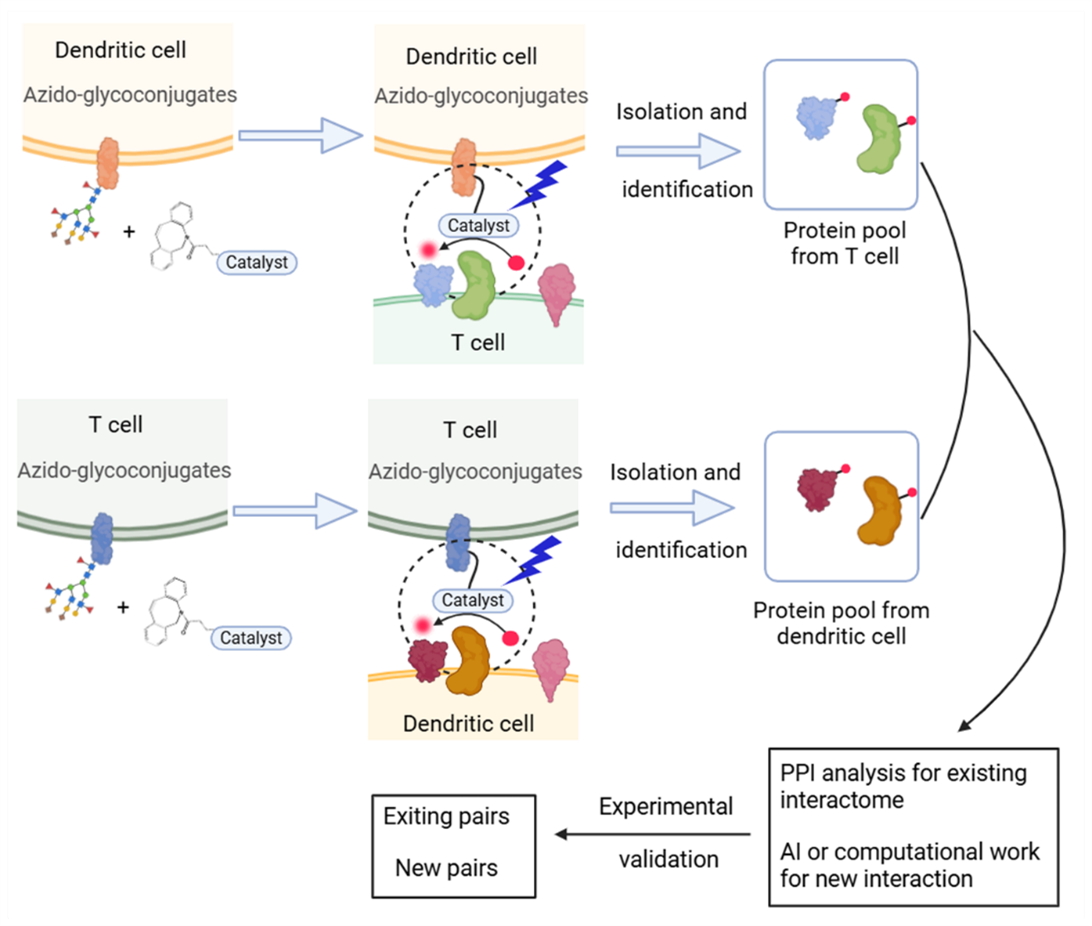
To map dendritic cell–T cell interactions at the molecular level, I used proximity labeling strategies targeting glycans at the immune synapse. By combining metabolic glycan labeling with either HRP-mediated or blue-light–activated proximity biotinylation, I aim to capture the glycan-mediated interactome between dendritic cells and T cells. This approach will uncovered novel ligand–receptor pairs and revealed how glycans on the cell surface shape immune recognition and T cell activation.
Engineering of RNA antibody for enhanced binding affinity
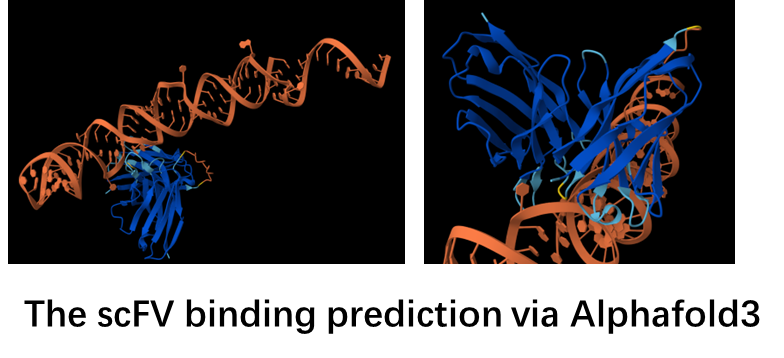
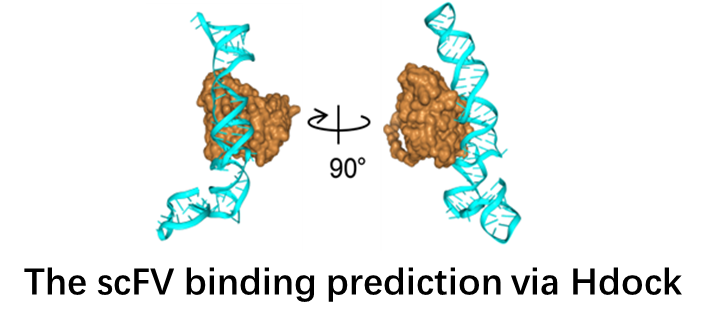
To further study the binding of anti-RNA antibodies and explore potential improvements for therapeutic applications, I designed single-chain variable fragments (scFvs) based on the antibody sequences and predicted their binding to RNA structures. I also generated scFv library, optimized their CDR loops, and evaluated their binding conformations to the RNA sequence. I applied molecular docking and molecular dynamics simulations to refine candidate scFvs. These computational analyses not only provided insights into the molecular basis of anti-RNA recognition but also guided rational strategies for engineering higher-affinity or more selective therapeutic antibodies.
Enhancing antigen-presenting cell labeling via RENBP inhibition
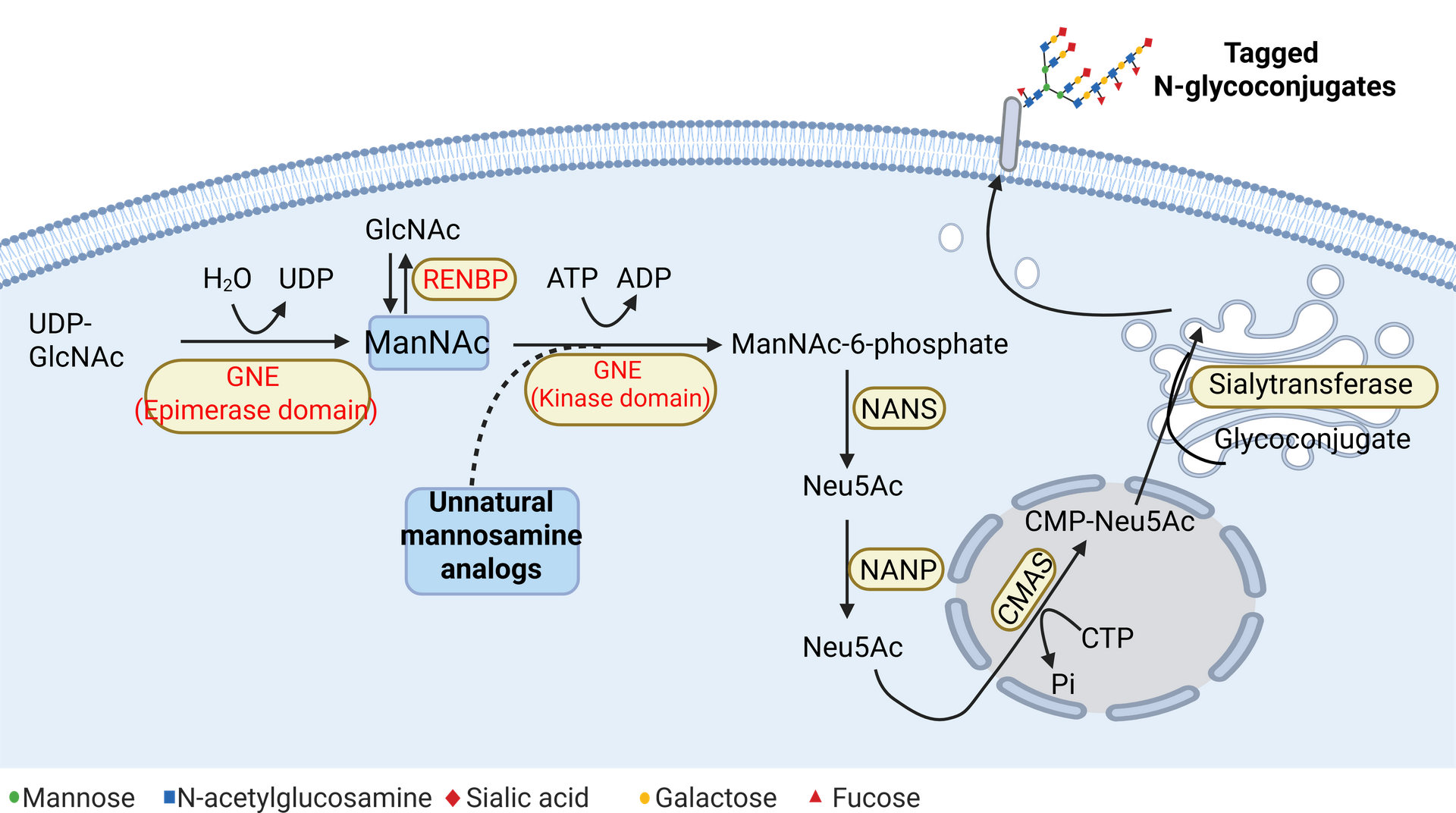
Metabolic glycan labeling of antigen-presenting cells (APCs) is often inefficient. I found that APCs express high levels of GlcNAc 2-epimerase (RENBP), which limits sugar incorporation. Inhibiting RENBP significantly enhanced AAM labeling in vitro—by 1.2- to 1.4-fold in dendritic cells, macrophages, and B cells—and selectively favored AAM over other azido sugars. In vivo, RENBP inhibition increased B cell labeling by over threefold and sustained it for at least 7 days. This strategy offers a simple, selective approach to improve glycan labeling of APCs for targeted immunotherapies.
Dual-functional unnatural lipids for mRNA delivery and cell tagging
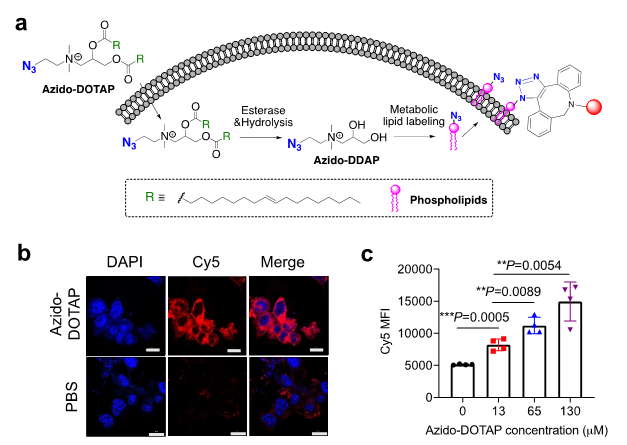
While conventional lipids efficiently deliver mRNA, they lack the ability to track or modulate target cells after transfection. To address this, I developed azido-DOTAP, an unnatural lipid that combines effective mRNA delivery with cell-surface labeling. During transfection, azido-DOTAP introduces azido groups onto the cell membrane, enabling real-time visualization and post-transfection conjugation of cargos via click chemistry. This dual-functional platform is compatible with various cell types, including dendritic cells, and offers a new strategy for enhancing mRNA vaccine precision and control. By enabling both delivery and downstream modulation, this technology advances the design of next-generation immunotherapies.
Nanogel-based sugar depot for sustained labeling
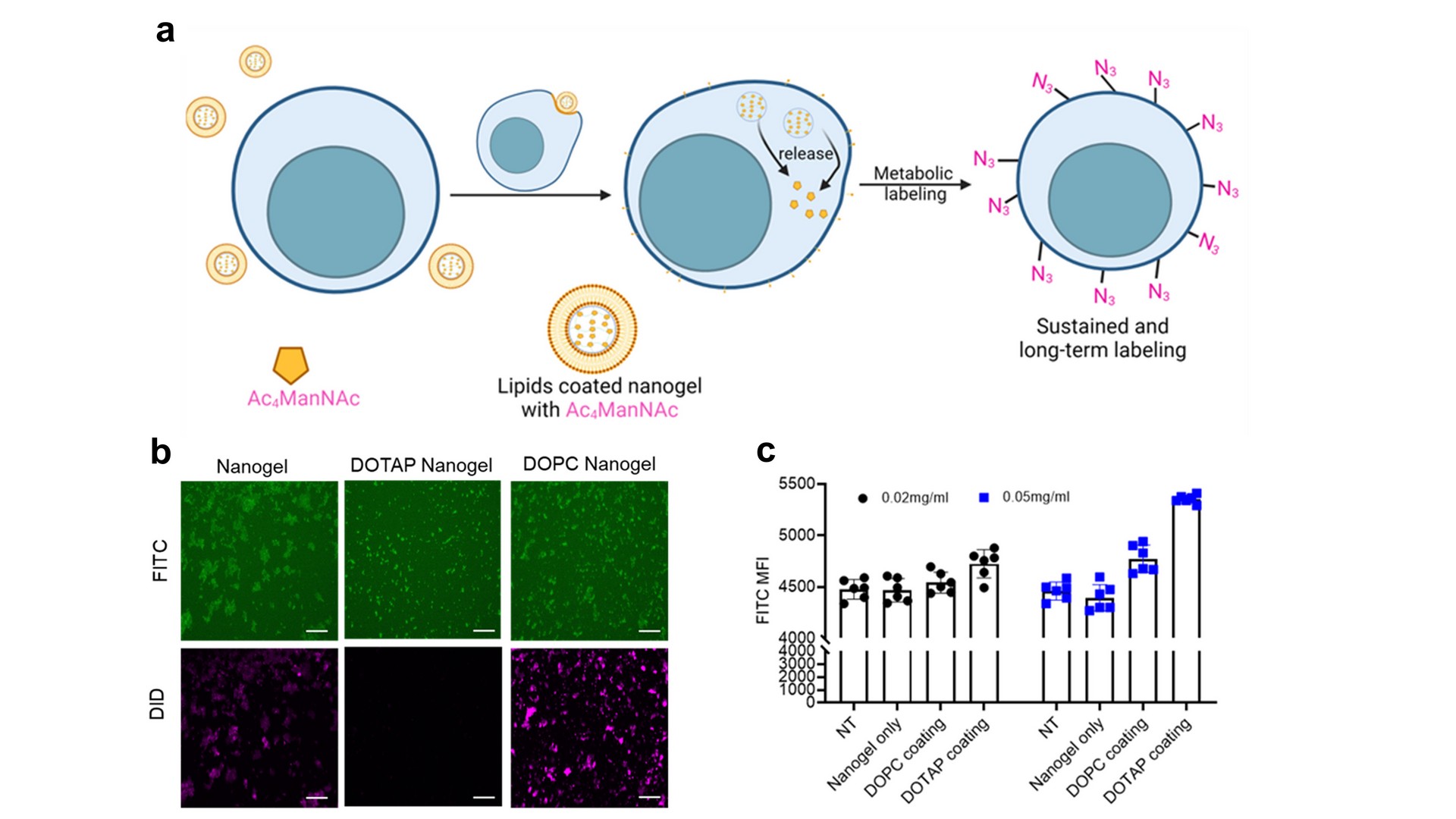
To overcome the transient nature of metabolic glycan labeling, I developed a nanogel-based delivery system that acts as an intracellular sugar depot. Synthesized using unnatural sugars as monomers and stabilized with lipid coatings, the nanogel ensures high local sugar concentration and efficient cellular uptake. This platform enables prolonged and consistent cell-surface labeling without the need for repeated dosing, offering a robust strategy for long-term metabolic glycan engineering in vivo.
Nanotechnology and translational medicine
I joined Prof. Yuanzeng Min’s lab to explore chemical strategies for cancer therapy. My background helped optimize protocols such as antigen extraction and nanoparticle preparation. I led two interdisciplinary projects.
The first one focused on developing a cancer cell antigen–based colloidal gel for cancer immunotherapy, which I optimized and tested in a 4T1 breast cancer model.
+
The semisolid nanogel formed from two kinds of liquid nanoparticle solution.
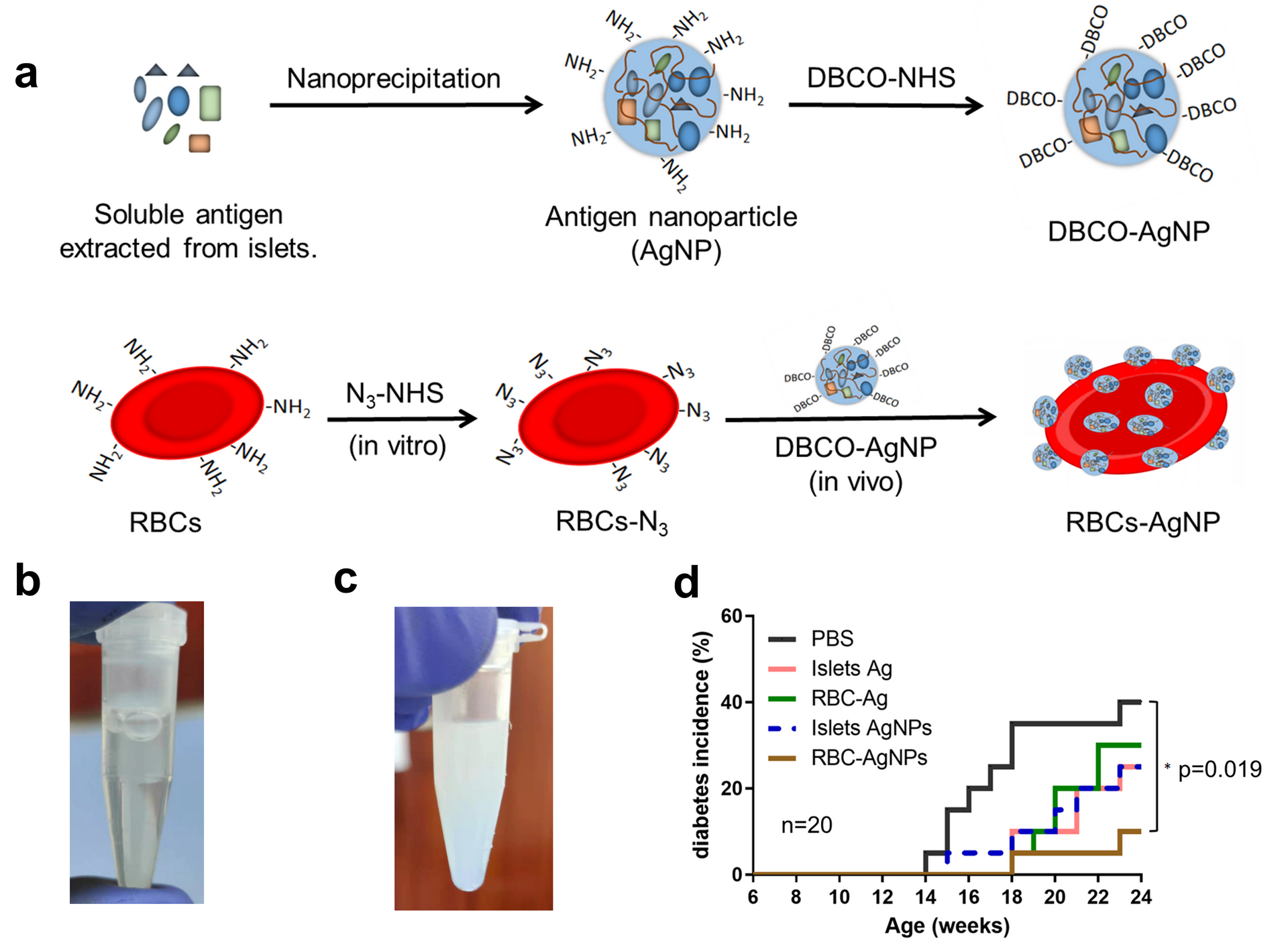
The other project is Red Blood Cell–Based Vaccine for Type 1 Diabetes. In this project, I engineered red blood cells (RBCs) as carriers for a multivalent vaccine targeting type 1 diabetes. Using click chemistry, I successfully conjugated nanosized autoantigen particles to azide-modified RBCs in vivo. These engineered RBCs home to the spleen, where they promote immune tolerance. Unlike current immunotherapies that only delay disease progression, our vaccine secures β cells by inducing long-term immune tolerance to multiple islet autoantigens. In non-obese diabetic (NOD) mice, the vaccine significantly reduced insulitis, preserved insulin secretion, and fully protected against early-onset diabetes.
Structural and molecular biology
Driven by the belief that structure underlies function, I was interested in protein structure and joined Prof. Congzhao Zhou’s lab in the Department of Biology during my undergraduate. There, I gained hands-on experience in molecular biology and protein crystallography. I worked on two projects: one involving the structural study of the LicA-drug complex, where I expressed and purified LicA protein in E. coli and obtained crystals via the hanging drop vapor diffusion method; the other involved constructing a recombinant vector for an ABC transporter using homologous recombination.
In the summer of 2019, I joined Prof. Nieng Yan’s lab at Princeton, where I advanced my skills in membrane protein structural biology. I constructed plasmids with different tags for a membrane protein, expressed them in HEK293 cells, and supported cryo-EM studies, including reconstitution in nanodiscs and data collection using Relion. I also performed overlap PCR to generate protein mutants for structural analysis.
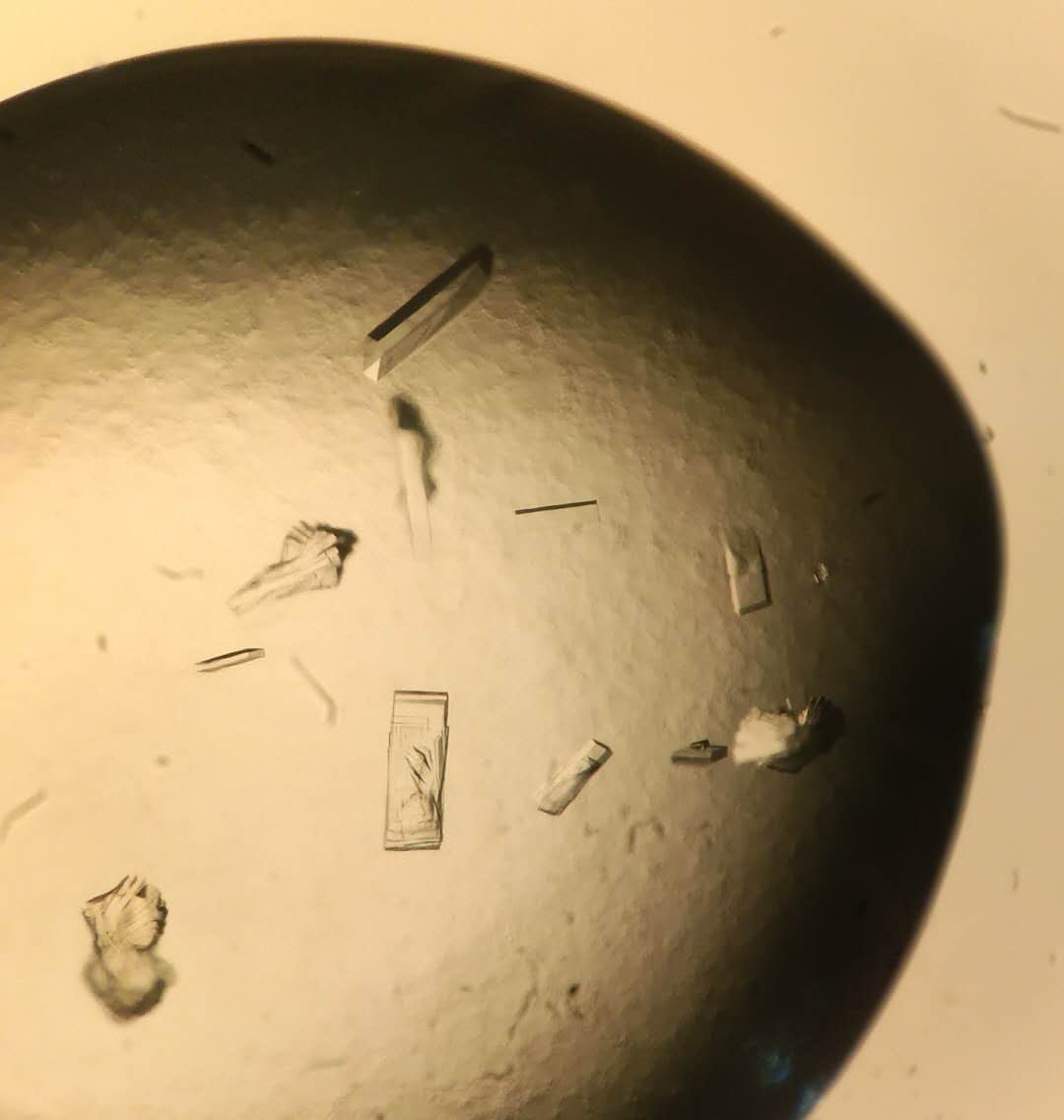
Crystals of apo-form
LicA protein
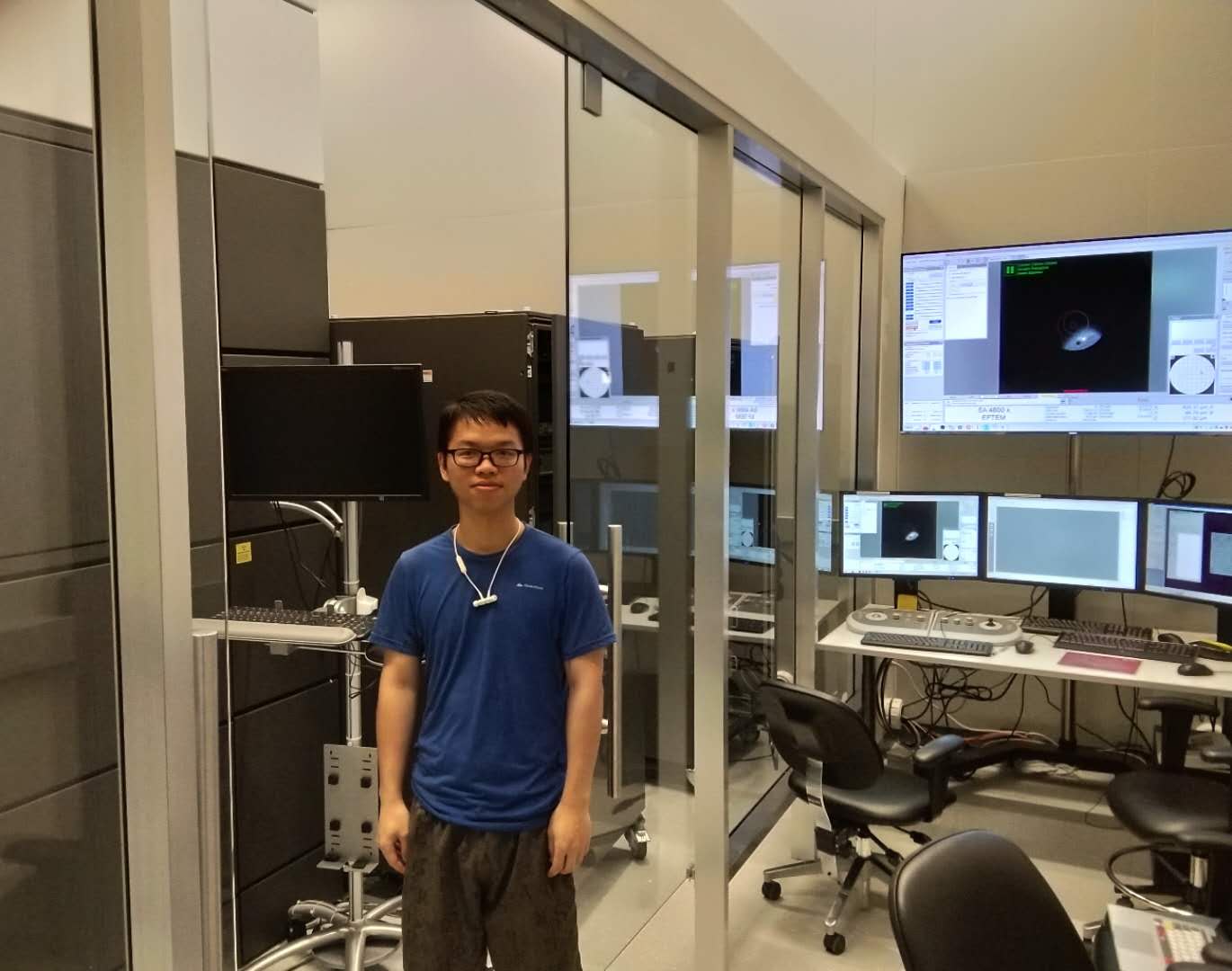
Photo with cryo-EM in Princeton
Looking Ahead
My future research aims to bridge chemistry, immunology, and engineering to create next-generation tools for cell-surface labeling and immune modulation. By combining metabolic labeling, synthetic materials, and proximity-based approaches, I seek to unravel how immune cells interact and communicate across diverse biological contexts. In parallel, I plan to expand the use of computational modeling, protein design, and bioinformatics to map dendritic cell–T cell interactions and identify key ligands as potential therapeutic targets.
Ultimately, I envision advancing chemical biology strategies into systems-level analyses that illuminate new principles of immune regulation while laying the foundation for innovative immunotherapies. I welcome collaborations that integrate experimental and computational approaches to push the boundaries of what we can achieve in both fundamental discovery and translational impact.